
Risky Play
PlayWork Principles
Early Years Learning Framework
Abecedarian Approach
Reggio Emilia
How We Embed Our Pedagogical Approaches into Everyday Practice
At Adamstown Community Early Learning and Preschool (ACELP), our educational practice is informed by a range of internationally recognised research, evidence-based approaches and contemporary educational philosophies. Rather than adopting a single educational model, we thoughtfully integrate the strengths of each approach to create a rich, responsive and child-centred curriculum that reflects our values, our community and the individual strengths of every child.
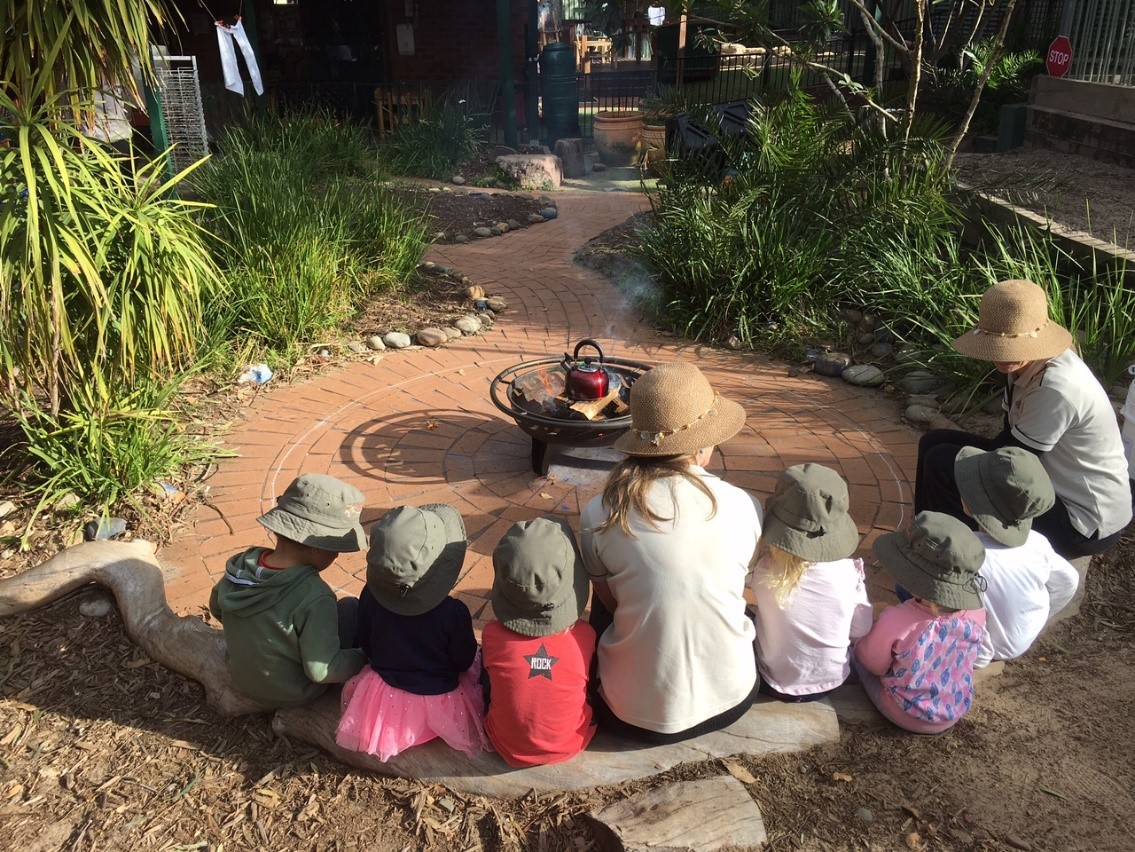
Central to our pedagogy is our strong commitment to nature-based learning and children's right to engage in appropriately managed risk. We recognise that children develop resilience, confidence, problem-solving skills and sound risk assessment abilities when provided with opportunities to challenge themselves in meaningful ways. Guided by Sandseter's and Kleppe's eight Categories of Risky Play and our collaborative research project with the University of Newcastle, Building Children's Risk Competence, educators intentionally create environments where children are supported to assess, negotiate and manage risks appropriate to their individual capabilities.
Our curriculum is also deeply influenced by the Reggio Emilia philosophy, where children are viewed as capable, competent and active participants in their own learning. Educators work alongside children as researchers and collaborators, developing inquiry-based projects that emerge from children's interests, questions and theories about the world. We recognise the environment as the "Third Teacher", carefully designing engaging indoor and outdoor learning spaces that inspire curiosity, creativity, investigation and deep thinking.
Complementing this approach, we integrate key elements of the Abecedarian Approach, recognising that high-quality adult-child interactions are fundamental to children's development. Through our commitment to maintaining educator-to-child ratios above regulatory requirements, educators have greater opportunities to engage in rich conversations, intentional language interactions, shared thinking and responsive relationships throughout each day. These interactions support children's communication, cognitive development, social competence, emotional wellbeing and lifelong learning dispositions.
Our environments also reflect principles from the Montessori Method, promoting children's independence, autonomy and competence. Children have access to authentic, carefully organised learning spaces featuring real-life materials, child-sized furnishings and genuine tools that encourage responsibility, practical life skills, concentration and self-directed exploration. Educators intentionally prepare environments that empower children to make meaningful choices and take increasing ownership of their learning.
Across all areas of the service, we embrace the Playwork Principles, recognising play as children's primary way of making sense of the world. We value play that is freely chosen, personally directed and intrinsically motivated, allowing children to follow their own ideas, interests and instincts. Educators carefully balance intentional teaching with responsive observation, ensuring children have uninterrupted opportunities to imagine, create, collaborate, negotiate and solve problems through authentic play experiences.
The Early Years Learning Framework (EYLF)
At Adamstown Community Early Learning and Preschool (ACELP), the Belonging, Being and Becoming: The Early Years Learning Framework for Australia (Version 2.0) provides the foundation for our educational program and curriculum decision-making. As Australia's nationally approved learning framework for children from birth to five years, the EYLF guides educators in delivering high-quality, play-based learning experiences that support every child's holistic development, wellbeing and lifelong learning.
The EYLF recognises that childhood is a unique and valuable stage of life and positions children as capable, competent and active participants in their own learning. At ACELP, we embrace this philosophy by creating learning environments where children are respected as confident learners, decision-makers and contributors to their community. Our educators intentionally combine children's interests, family aspirations, research-informed practice and intentional teaching to develop meaningful experiences that extend children's knowledge, skills and dispositions for learning.
Belonging, Being and Becoming
The three interconnected concepts of Belonging, Being and Becoming are embedded throughout every aspect of life at ACELP.
Belonging reflects children's connections with their families, educators, peers, culture, Country and the wider community. We foster strong, respectful and trusting relationships that help children develop a sense of security, identity and inclusion. Through genuine partnerships with families and active engagement with our local community, children learn that they are valued members of both our service and the world around them.
Being recognises the importance of childhood as a time to explore, wonder, play and simply enjoy the present moment. We believe children should not be rushed through childhood but instead be provided with rich opportunities to investigate, create, take risks, build relationships and express themselves in ways that are meaningful to them. Educators intentionally support children's individual strengths, interests and emerging abilities while recognising the importance of wellbeing, play and joyful learning.
Becoming acknowledges that learning is a lifelong journey. Every interaction, relationship and experience contributes to children's developing identities, confidence, resilience and capabilities. Through inquiry, problem-solving, collaboration and reflection, children develop the knowledge, skills and dispositions that prepare them for future learning, successful transitions to school and active participation within their communities.
Our Curriculum in Action
Our curriculum is intentionally planned using the principles, practices and learning outcomes of the EYLF. Educators observe children's learning, critically reflect on their practice, collaborate with families and children, and design responsive experiences that are meaningful, challenging and engaging.
The curriculum reflects our integrated pedagogical approach, incorporating nature pedagogy, inquiry-based learning, intentional teaching, risky play, strong relationships, language-rich interactions and authentic community engagement. These experiences are continuously evaluated to ensure each child is supported to achieve their full potential while experiencing success, confidence and joy in learning.
The Five Learning Outcomes
Our educational program intentionally supports children's progress across the five interconnected Learning Outcomes of the EYLF.
Learning Outcome 1 – Children have a strong sense of identity
Children develop confidence, independence and a positive sense of self through warm, secure and responsive relationships. Educators nurture children's resilience, encourage decision-making, promote independence and create environments where every child feels safe, respected, capable and valued. Children are encouraged to recognise their own strengths while appreciating the uniqueness and diversity of others.
Learning Outcome 2 – Children are connected with and contribute to their world
Children actively engage with their families, community and natural environment while developing respect for diversity, sustainability and social responsibility. Through excursions, community partnerships, environmental projects, Aboriginal and Torres Strait Islander perspectives, democratic decision-making and collaborative learning experiences, children develop empathy, inclusion, citizenship and a growing understanding of their place within the world.
Learning Outcome 3 – Children have a strong sense of wellbeing
Children's physical, emotional, social and mental wellbeing underpins everything we do. Educators support children to develop resilience, emotional regulation, healthy lifestyles, self-care skills, risk competence and confidence in their own abilities. Our nature-based environments, outdoor learning experiences and responsive relationships contribute to children's overall health, happiness and wellbeing.
Learning Outcome 4 – Children are confident and involved learners
Children are encouraged to investigate, question, hypothesise, solve problems and think creatively through sustained shared thinking and inquiry-based learning. Educators intentionally extend children's interests, promote curiosity and encourage persistence while supporting children to become capable researchers and lifelong learners. Rich play experiences, project work and open-ended learning environments foster critical thinking, creativity and innovation.
Learning Outcome 5 – Children are effective communicators
Communication is valued in all its forms. Educators provide language-rich environments where children express themselves through conversation, storytelling, art, music, movement, dramatic play, digital technologies, mark making and early literacy experiences. We intentionally foster oral language development through meaningful interactions while respecting and celebrating each child's home language, culture and preferred ways of communicating.
Our Commitment
At ACELP, the Early Years Learning Framework is not viewed as a checklist of outcomes, but as a living framework that shapes every interaction, relationship and learning experience. Our educators continually engage in professional learning, critical reflection and educational research to ensure our practices remain contemporary, evidence-informed and responsive to the evolving needs of children, families and the broader community.
By embedding the principles, practices and learning outcomes of the EYLF into everyday experiences, we create an environment where children develop a strong sense of belonging, experience the joy of being children and are empowered to become confident, compassionate and capable lifelong learners.