At Adamstown Community Early Learning and Preschool, we believe that school readiness does not just begin in the year before Kindergarten—it begins from infancy!
Our School Readiness Program is a carefully planned, research-informed journey that begins in our Explorers room and is intentionally strengthened throughout our Investigators room and culminates in our Engineers room. Every interaction, every play experience and every relationship contributes to developing the foundational skills children need to thrive when they begin formal schooling.
Decades of developmental research has transformed our understanding of what truly prepares children for school. While early literacy and numeracy remain important, studies consistently demonstrate that the strongest predictors of long-term academic success are children's executive functioning skills, social competence and emotional wellbeing. These foundational capabilities enable children to engage successfully in learning, build positive relationships and confidently navigate the increasing expectations of the school environment.
Executive functioning refers to a group of cognitive skills that allow children to focus their attention, remember and follow instructions, regulate their emotions, manage impulses, solve problems, think flexibly, organise their thinking and persist when learning becomes challenging. These skills underpin almost every aspect of classroom learning and are recognised by researchers as one of the greatest predictors of educational success.
Research also highlights the critical importance of social and emotional development during the early years. Children who can communicate effectively, cooperate with others, demonstrate empathy, manage disappointment, build friendships, resolve conflicts respectfully and regulate their emotions are better equipped to participate confidently in classroom routines and learning experiences once they enter the formal schooling environment.
Without strong foundations in executive functioning, social competence and emotional regulation, children may find the transition to formal schooling more demanding. Rather than focusing solely on new academic concepts, they may also be simultaneously developing the self-regulation, attention, organisation and relationship skills required to fully engage in classroom learning. By intentionally fostering these capabilities throughout the early years, we help children enter school with the confidence, independence and resilience needed to embrace new learning opportunities from the very beginning.
Our educators intentionally embed these foundational skills into every aspect of our play-based curriculum. As we said, this learning begins in infancy. Here is how our educators support the development of this critical foundational skills from our Explorers through to Engineers:
Explorers –
In our Explorers room, babies develop secure relationships, curiosity, communication, attention, confidence and early self-regulation through warm, responsive interactions and intentional teaching.
Investigators –
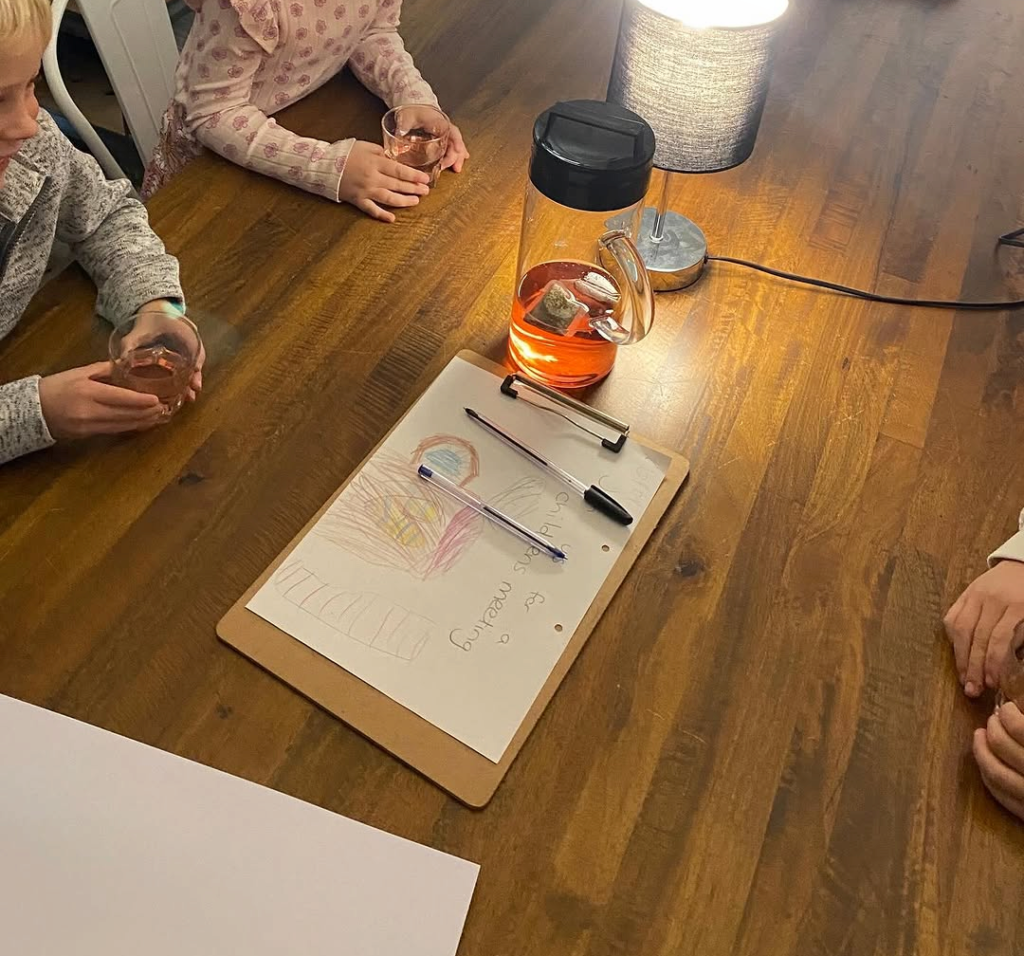
Within our Investigators room, children begin developing friendships, cooperation, empathy, language, emotional understanding, independence and collaborative problem-solving as they learn alongside their peers.
Engineers –
By the time children reach our Engineers room, educators intentionally extend these foundations through increasingly complex learning experiences that strengthen executive functioning, critical thinking, leadership, inquiry, resilience and independence while continuing to nurture children's love of learning.
Throughout our School Readiness Program, educators intentionally support children to develop:
• Working Memory by encouraging children to remember multi-step instructions, revisit previous learning, recall information during investigations and apply knowledge to new situations.
• Inhibitory Control (Self-Regulation) by supporting children to manage emotions, wait their turn, control impulses, persist through challenges and make thoughtful decisions.
• Cognitive Flexibility by encouraging children to adapt their thinking, consider different perspectives, solve problems creatively and confidently respond to change.
• Social Competence through collaborative projects, shared decision-making, friendship building, conflict resolution, leadership opportunities and respectful communication.
• Emotional Intelligence by helping children recognise, understand and regulate emotions while developing empathy, resilience and confidence.
• Language and Communication through rich conversations, intentional vocabulary teaching, storytelling, questioning, sustained shared thinking and meaningful interactions that strengthen both oral language and early literacy.
• Fine Motor Development through drawing, painting, construction, threading, manipulating tools, loose parts play, writing opportunities and creative experiences that strengthen the muscles required for future handwriting.
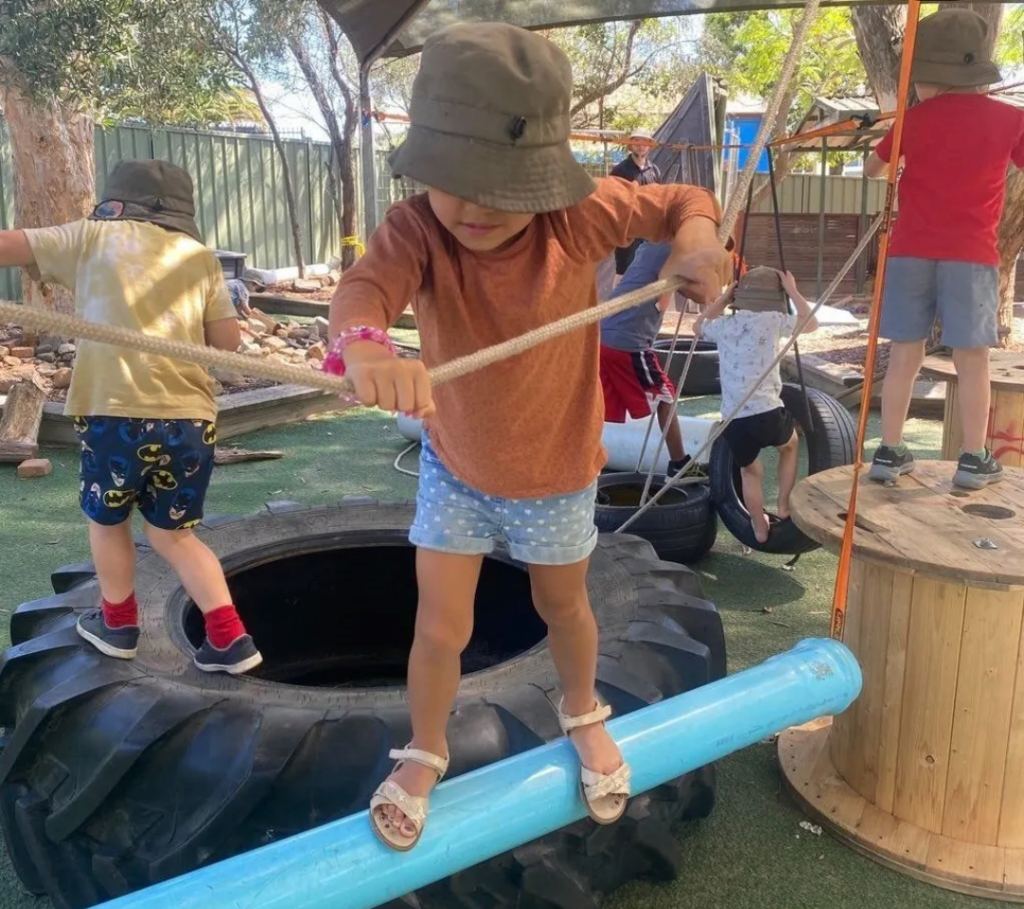
• Gross Motor Development through our risk based approach with climbing, balancing, running, obstacle courses, movement experiences and outdoor play that build coordination, body awareness, strength and confidence the children develop risk competency skills that will support them throughout their lives.
Rather than separating learning into isolated subjects, these capabilities are intentionally developed through inquiry, investigation, play, relationships and authentic experiences that are meaningful to children. This approach reflects contemporary research demonstrating that young children learn most effectively when they are actively engaged in purposeful, play-based experiences supported by responsive educators.
Our goal is not simply to prepare children for their first day of school. Our goal is to nurture curious thinkers, confident communicators, resilient problem-solvers, compassionate friends and capable learners who possess the foundational skills to flourish throughout their education and beyond.